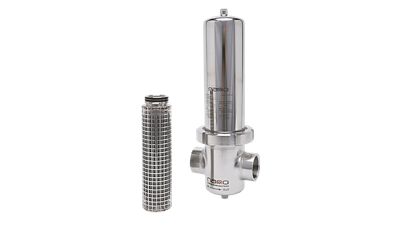
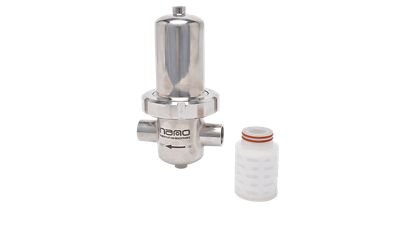
Compressed air is the quiet workhorse of modern food production, powering conveyors, packaging lines, filling equipment, mixing systems, and countless automated processes. But when filtration is overlooked or under‑maintained, that same air supply can become a hidden source of contamination, downtime, and unnecessary expense.
Food plants often invest heavily in sanitation, quality control, and process reliability, yet compressed air filtration is one of the most common weak points. And the costs of getting it wrong extend far beyond replacing a filter element.
Contamination Risks That Threaten Product Quality
Poor filtration allows oil, moisture, particulates, and microorganisms to enter the compressed air stream. In a food plant, that can directly impact:
Product purity and shelf life
Flavor, texture, and appearance
Regulatory compliance (FDA, SQF, HACCP)
Even “non‑contact” compressed air can become a contamination vector through overspray, leaks, or venting. One unnoticed filter failure can compromise an entire batch.
Increased Scrap, Rework, and Product Loss
When contaminants reach the production line, the financial impact is immediate:
Spoiled or off‑spec product
Packaging defects
Labeling issues
Rejected batches
These losses add up quickly, especially in high‑volume operations where downtime or rework can cost thousands per hour.
Equipment Wear and Unexpected Downtime
Dirty compressed air is abrasive and corrosive. Without proper filtration, contaminants accelerate wear on:
Pneumatic cylinders
Valves and actuators
Filling and dosing equipment
Robotics and automation components
This leads to more frequent breakdowns, higher maintenance costs, and unplanned downtime that disrupts production schedules.
Higher Energy Consumption
Clogged or undersized filters force compressors to work harder. That means:
Increased pressure drop
Higher energy usage
Shorter compressor life
Since compressed air is one of the most expensive utilities in a food plant, poor filtration directly drives up operating costs.
Compliance and Audit Failures
Food safety standards require documented control of compressed air quality. Poor filtration can result in:
Failed audits
Costly corrective actions
Risk of recalls
Damage to brand reputation
Auditors increasingly expect plants to treat compressed air as a critical control point, not an afterthought.
The Hidden Labor Cost
When filtration isn’t optimized, teams spend more time:
Troubleshooting air quality issues
Replacing damaged components
Cleaning contaminated equipment
Managing rework and scrap
These indirect labor costs often exceed the price of proper filtration.
The Solution: High‑Efficiency Filtration Designed for Food Production
The good news is that the hidden costs of poor filtration are entirely avoidable. Modern compressed air filtration systems designed for food and beverage applications provide:
High‑efficiency removal of oil, particulates, and moisture
Low pressure drop for reduced energy use
Long service life and easy maintenance
Compliance with ISO 8573 air quality standards
How nano-purification solutions' Filtration Protects Your Food Plant
The most effective way to eliminate the hidden costs of poor compressed air quality is to start with filtration engineered for the demands of food and beverage production. nano filters are built to deliver the level of protection modern plants require, combining high‑efficiency performance with long‑term reliability.
With advanced media technology, low pressure drop, and robust construction, nano filters remove oil aerosols, particulates, and moisture that threaten product quality and equipment life. Their consistent performance helps plants meet ISO 8573 air quality standards, support SQF programs, and maintain the purity needed for both contact and non‑contact applications.
By integrating nano filtration into your compressed air system, you reduce contamination risks, lower energy consumption, and extend the life of downstream equipment, all while ensuring clean, safe, reliable air for every stage of production.
Explore our options today for your compressed air and gas filtration requirements.