When you turn on your stovetop and see the familiar blue flame, you're experiencing the convenience of natural gas. This same energy source powers cooking, heating, and electricity generation across the globe. But before it reaches your home, natural gas must be extracted from deep underground, both onshore and offshore, using sophisticated drilling and production equipment.
The Challenge: Methane Emissions from Natural Gas Pneumatic Systems
Across the oil and gas industry, millions of pneumatic instruments regulate pressure, temperature, liquid levels, and flow rates. Traditionally, these instruments use natural gas taken directly from the production stream for power. While effective, this approach has a major downside: continuous methane venting.
According to the U.S. Environmental Protection Agency, pneumatic controllers are among the largest sources of methane emissions in natural gas production. As global awareness of environmental impact grows, regulatory pressure is increasing. Colorado, for example, issued a landmark requirement in 2021 mandating that operators transition natural gas–driven pneumatic systems to compressed air alternatives within two years.
The Solution: Switching to Compressed Air for Instrument Air Systems
One of the most efficient ways to reduce methane emissions is to replace natural gas–powered pneumatics with compressed air systems. By eliminating natural gas from the actuation process, operators can significantly cut emissions while improving reliability and operational safety.
A global energy company in Texas recently took a proactive approach, partnering with a nano distributor in Colorado to implement a new compressed‑air‑powered technique at their natural gas rig sites.
Innovation in the Oil & Gas Field: Portable Instrument Air “Dog Houses”
The nano distributor engineered small, self‑contained compressor rooms, known as “dog houses”, built inside rugged, portable fiberglass enclosures. Each climate‑controlled, weatherproof unit includes:
- 10 HP reciprocating air compressor
- Aftercooler and water separator
- Advanced air filtration
- Mounted modular desiccant air dryer
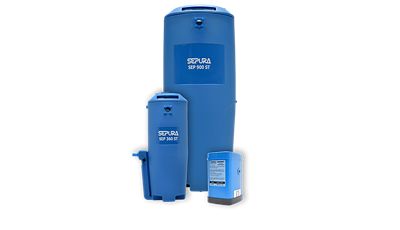
- Oil water separator
- Electric power supply, allowing placement outside explosion‑proof zones
These dog houses provide fully independent instrument air, replacing natural gas consumption and dramatically reducing methane emissions at each site.

Why nano? Reliability in Extreme Environments
The nano distributor collaborated with their nano Business Development Manager, to demonstrate the advantages of the nano modular desiccant air dryer line. The energy company had previously struggled with equipment that was difficult to service in remote, rugged field conditions. They needed a dryer that offered:
- Easy serviceability
- Durable design for harsh climates
- Proven performance at temperatures as low as –40°F
- Reliable operation at higher elevations
After evaluating performance, durability, and serviceability, the company selected the nano NDL 0070 modular desiccant air dryer, rated at 41 scfm, a perfect match for the site’s flow requirements and environmental demands.
Results: Cleaner Operations and Methane Reduction
By implementing compressed air–driven instrumentation supported by nano’s modular desiccant dryer technology, the energy company:
- Reduced methane emissions at the rig site
- Improved environmental compliance
- Enhanced reliability in extreme conditions
- Minimized maintenance challenges with field‑friendly equipment
- Adopted a scalable, portable solution suitable for multiple sites
This project demonstrates how modern compressed air technologies can help oil and gas operators meet tightening emissions standards, without sacrificing performance.