






Compressed air, gases such as nitrogen, and cooling systems operate throughout production, often near food or contact surfaces. Without proper control, they can introduce contamination, quality deviations, or process instability that directly affect food safety, consistency, and shelf life.
The food and beverage solutions used in modern production environments must support more than daily operation. They need to help protect food safety, maintain product quality, and improve efficiency across increasingly demanding manufacturing processes.
The food and beverage industry is a fast-paced and highly regulated sector where safety, quality, and efficiency are critical. As consumer expectations grow and supply chains become more complex, manufacturers face increasing pressure to improve their operations, reduce contamination risks, and protect product quality. Whether they are large producers or smaller specialty manufacturers, companies must meet strict regulations while maintaining reliable and cost-effective production.
Food and beverage manufacturers must protect product quality, while managing contamination risks, variable raw materials, and tight food safety standards. Compressed air treatment, food‑grade nitrogen gas, and food cooling process, all play critical roles in daily operations. Issues such as improper compressed air quality, inconsistent nitrogen purity or supply, or unstable cooling temperatures can directly impact taste, texture, shelf life, and overall product integrity.
Adding to these challenges are aging equipment, rising energy costs, and the need for repeatable, audit‑ready processes. To stay competitive, many facilities are turning to smarter, more efficient utility solutions. Among them are on‑site nitrogen generators for food industry, advanced industrial food processing chillers, and high‑efficiency compressed air treatment technologies.
Table of Content
Across the food and beverage industry, manufacturers face a broad range of technical and operational challenges. Contamination risks, temperature stability or risks of product integrity degradation, these issues directly impact product quality, safety, and consistency. The following sections outline the most common challenges industrial producers must address across different production environments.
Food and beverage manufacturers face strict requirements around safety, quality, shelf life, and operational continuity. To address the risks and challenges outlined earlier, utilities such as compressed air treatment, nitrogen generation, and process cooling must be engineered and managed as process‑critical systems. Each utility plays a distinct role in protecting products and stabilizing production environments.
Where should you focus first?
Most food & beverage issues fall into one (or several) of these three utility areas. Choose the one that matches your pain point to explore the right solution path.
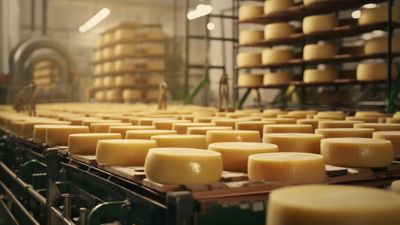
Food and beverage production covers many segments, including beer, wine, spirits, dairy, snack foods, coffee, tea, and edible oils. While each industry has its own challenges, they all depend on the same essentials. Clean air, controlled oxygen levels, and stable temperatures help maintain product quality and consistency throughout production and packaging.
Discover how nano helps food and beverage producers improve efficiency, enhance system reliability, and protect product quality with real‑world solutions in compressed air treatment, nitrogen generation, and process cooling.
Explore expert articles and technical insights focused on compressed air quality, nitrogen generation, and process cooling in food and beverage manufacturing. These resources dive deeper into industry challenges, best practices, and proven approaches to improving product safety and operational reliability across diverse production environments.
FAQs
Got Questions? We Have the Answers!
Find answers to our most frequently asked questions about compressed air treatment, nitrogen generation, and process cooling for food & beverage applications.
Oxygen is a key driver of oxidation and spoilage across many food and beverage applications. Using nitrogen to displace oxygen helps protect freshness, preserve sensory properties, and extend shelf life during processing and packaging.
The right solution depends on your main challenge. Head to:
- Compressed air treatment for clean, high-quality air.
- Nitrogen generation to reduce oxygen and protect shelf life.
- Process cooling to keep temperatures stable and maintain product quality.
Many food and beverage processes rely on more than one utility, so the best solution often starts with identifying where are the priority needs and risks.
A utility system may need improvement if you see recurring quality issues, unstable temperatures, higher energy use, air or gas leaks, production delays, or more frequent maintenance needs.
