Breweries operate in a highly competitive and quality‑driven environment where precision, consistency, and sanitation directly influence every stage of production. From milling and mashing to fermentation, filtration, and packaging, brewers must manage a range of production and utility challenges that impact product flavour, stability, and efficiency. As demand grows for cleaner labels, fresher beer, and faster turnaround times, the pressure to maintain high‑quality utilities becomes even more critical.
Brewing operations depend on compressed air, nitrogen, and process cooling to support essential processes such as aeration, blow‑off, CO₂ management, packaging, and temperature control. However, issues like contaminated compressed air, unreliable nitrogen purity or supply, and unstable cooling temperatures can lead to off‑flavours, oxygen pickup, inconsistent fermentation, and reduced shelf life. These utility‑related risks can compromise product integrity long before beer reaches the can, bottle, or keg.
At the same time, breweries face growing challenges tied to aging equipment, energy consumption, and the need for repeatable, audit‑ready operations. Whether operating a craft brewhouse or a large‑scale commercial facility, modern breweries require clean, dry, and oil‑free compressed air, cost‑efficient on‑site nitrogen generation, and precise process cooling to maintain safe, efficient, and high‑quality production from grain to glass.
Choose Your Utility
- Nitrogen
- Compressed Air
- Process Cooling
Nitrogen plays a critical role in protecting beer quality by minimising oxygen exposure throughout brewing, storage, transfer, and packaging.
Oxygen pickup can cause rapid flavour degradation, staling, colour shifts, and reduced shelf life. Nitrogen helps brewers maintain flavour stability, improve product consistency, and reduce dependence on fluctuating CO₂ supplies.
KEY NITROGEN APPLICATIONS IN BREWING
- Tank blanketing
Prevents oxygen ingress during fermentation, conditioning, and storage, protecting beer flavour and stability. - Line purging and product transfers
Displaces oxygen in lines, hoses, and manifold systems before movement of wort or beer, ensuring oxygen‑free pathways. - Packaging and filling operations
Supports headspace flushing, counter‑pressure filling, and low‑oxygen canning and bottling environments. - Keg filling and preparation
Reduces oxygen pickup during keg racking and provides a clean, stable atmosphere for final packaging. - Nitro beer production
Enables the smooth, creamy mouthfeel and cascading effect associated with nitrogen‑infused beers.
WHY BREWERS CHOOSE ON-SITE NITROGEN GENERATION
- Consistent nitrogen purity on demand for tank blanketing, purging, and packaging
- Lower CO₂-related costs while strengthening supply security and reducing overall expenses
- Lower long‑term operating costs compared to bulk gas
- Greater control of dissolved oxygen (DO) at every stage of production
- Improved sustainability through reduced gas transportation and emissions
By integrating on‑site nitrogen into brewing operations, producers can significantly elevate beer quality and strengthen packaging stability. Nitrogen offers breweries a reliable, cost‑effective solution that enhances quality from fermentation to final fill.
Factor |
Delivered Nitrogen |
On-Site Nitrogen Generation |
|---|---|---|
Supply reliability |
Vulnerable to delays |
Continous, on-demand |
| Cost
|
Recurring rental + delivery fees |
Lower long-term cost |
Safety |
High-pressure cylinders |
No cylinder handling |
Environmental impact |
Transport emissions |
Reduced footprint |
Nitrogen Generation Resources for Breweries
- Expert Insights
- Industry Brochures


Nitrogen Generation for Breweries

Nitrogen Generation for Microbreweries
All-in-one Nitrogen Generation Systems

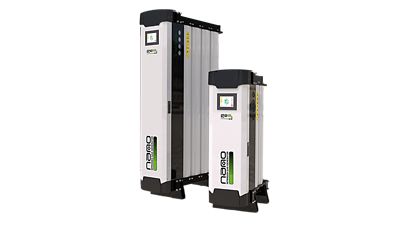
Compressed air is essential throughout brewery operations and often comes into direct or indirect contact with product, equipment, and packaging environments.
Clean, dry, oil‑free compressed air supports consistent beer quality, reliable automation, and hygienic production across both the brewhouse and the packaging hall.
KEY COMPRESSED AIR APPLICATIONS IN BREWING
- Brewhouse and cellar automation
Powers valves, actuators, racking arms, and control systems used during mashing, lautering, fermentation, and transfers. - Packaging and filling lines
Supports bottle, can, and keg filling lines, conveyors, depalletizers, labelers, crown/cap applicators, and purge systems. - Keg washers and CIP support
Provides sanitary air to drive valves and actuators used in cleaning, sanitising, and prepping vessels for filling. - Instrument air for controls and sensors
Ensures reliable operation of pressure switches, flow meters, carbonation controls, and automated process systems. - Blow‑off, air‑knife, and drying systems
Removes moisture before coding, labeling, and packaging to maintain package integrity and reduce spoilage risks.
WHY COMPRESSED AIR QUALITY MATTERS IN BREWING
Without proper treatment, compressed air can introduce oil, moisture, particulates, and microorganisms into critical brewing steps, leading to contamination, flavour defects, and audit failures. Clean air is especially crucial in areas where compressed air may contact product, equipment interiors, or packaging surfaces.
Clean, dry, food‑grade compressed air is essential for:
- Protecting beer flavour, aroma, and clarity
- Preventing off‑flavours caused by oil, moisture, or microbial contamination
- Supporting hygienic processing and reducing QA/QC risks
- Ensuring consistent filler operation and packaging performance
- Meeting brewery safety, quality, and compliance standards
Properly engineered compressed air systems help breweries protect product integrity, support hygienic processes, and keep automated production lines running reliably. Food‑grade, contaminant‑free compressed air is a core utility that safeguards beer quality from brewhouse to final packaging.
Compressed Air Resources for Breweries

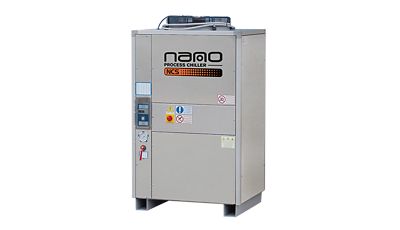
Process cooling is essential to brewery quality, stabilising fermentation, enabling precise carbonation, and delivering reliable process and equipment cooling.
Tight temperature control protects yeast health, flavour consistency, and carbonation accuracy, while dependable glycol chilling keeps brewhouse and packaging operations running smoothly.
KEY PROCESS CHILLER APPLICATIONS IN BREWING
- Fermentation Temperature Control
Delivers precise glycol setpoints to jacketed fermenters and brite tanks, ensuring consistent fermentation profiles, yeast performance, attenuation, and flavour stability across batches. - Crash Cooling & Cold Conditioning
Provides rapid and uniform pull‑downs to cold‑side targets for clarity, sedimentation, diacetyl reduction, and stable packaging temperatures. - Carbonation & Brite Tank Management
Maintains tight temperature bands in brite tanks to optimise CO₂ absorption rates, stabilise dissolved CO₂ levels, and achieve repeatable carbonation without over‑ or under‑carbing. - Process & Equipment Cooling
Supports heat exchangers, wort cooling, CIP heat removal, and auxiliary loads like packaging line air‑knives, tunnel pasteuriser heat rejection, and utility room equipment.
WHY PROCESS CHILLER PERFORMANCE MATTERS IN BREWERIES
Without stable chilling capacity and control, breweries risk stuck fermentations, flavour variability, poor CO₂ retention, packaging delays, and product loss. A properly engineered process chiller and glycol system helps you:
- Protect yeast and flavour with accurate fermentation profiles and repeatable cold‑side outcomes
- Improve carbonation consistency by holding tight temperature tolerances in brite tanks
- Increase throughput with faster crash cycles and more predictable tank turns
- Reduce downtime and waste by preventing temperature‑related QA issues and equipment strain
- Control operating costs with efficient compressors, optimised setpoints, and right‑sized glycol loops
A well‑designed process chiller and glycol system is foundational to brewery quality and efficiency, enabling precise fermentation control, repeatable carbonation, and dependable process/equipment cooling. The result is better flavour stability, faster tank turns, fewer quality risks, and more predictable, cost‑efficient operations from brewhouse to packaging.
Benefits of Optimised Utility Systems for Breweries
By improving the performance of your compressed air dryers and filtration systems, enhancing the efficiency of your on‑site nitrogen generation, and stabilising your process cooling utilities, food and beverage manufacturers can realise significant operational and quality‑driven benefits, including:
- Superior batch‑to‑batch consistency, reducing variability across production runs
- Improved flavour stability and longer shelf life, with tighter control over contamination and oxidation risks
- Lower delivered nitrogen costs and reduced energy consumption, improving overall utility efficiency
- Higher equipment uptime and greater production reliability, with fewer utility‑related interruptions
- Scalable, audit‑ready growth, enabling plants to expand capacity without compromising product quality or compliance
This optimised utility strategy helps manufacturers increase efficiency, improve product integrity, and maintain reliable, cost‑effective operations across every stage of food and beverage production.