Compressed air is one of the most overlooked elements in food production, yet it touches nearly every stage of modern processing, from conveying ingredients to packaging finished goods. What many manufacturers don’t realise is that compressed air isn’t just a utility. In the eyes of regulators, auditors, and food‑safety experts, compressed air is a food ingredient.
And when you look at how it interacts with food, it’s easy to see why.
Compressed Air Directly Contacts Food, So It Must Be Safe
In food and beverage facilities, compressed air is used to:
- Move raw ingredients
- Clean surfaces and equipment
- Operate pneumatic tools
- Flush packaging before sealing
- Support Modified Atmosphere Packaging (MAP)
- Dry, cool, or sort products
Any time compressed air touches food or food‑contact surfaces, it becomes part of the product environment. If that air contains contaminants like oil, moisture, particulates, or microbes, those contaminants can transfer directly into the food supply.
This is why global standards like SQF and ISO 8573 classify compressed air as a critical control point.
Compressed Air Can Carry Hidden Contaminants
Untreated compressed air can introduce several risks:
1. Oil Aerosols
Lubricated compressors can release oil droplets that settle on food or packaging. Even “oil‑free” compressors can still introduce hydrocarbons from ambient air.
2. Moisture
Moisture inside compressed air lines creates ideal conditions for bacteria, mould, and yeast growth. When released, that moisture can contaminate food surfaces.
3. Particulates
Dust, rust, and pipe scale can break loose inside air lines and end up in the final product.
4. Microbial Contamination
Warm, humid compressed air systems can harbor microorganisms that are then blown directly onto food or packaging.
These risks make untreated compressed air a potential source of spoilage, recalls, and regulatory violations.
Regulators Treat Compressed Air Like an Ingredient
Food safety bodies require compressed air to meet strict purity standards because it directly affects product quality. Key guidelines include:
- ISO 8573‑1: Defines purity classes for particles, water, and oil
- SQF Code: Requires documented compressed air filtration, maintenance, and routine air quality testing
- FDA GMPs: Require air used in food processing to be clean and safe
In practice, this means compressed air must be filtered, dried, monitored, and tested, just like any other ingredient entering the production process.
Why Treated Compressed Air Protects Your Brand
Treating compressed air as a food ingredient isn’t just about compliance. It’s about protecting product integrity and consumer trust.
Benefits of properly treated compressed air:
- Reduced contamination risk
- Longer shelf life
- Improved product consistency
- Fewer recalls and quality issues
- Stronger audit performance
- Better equipment reliability
Clean, dry, oil‑free air supports safer production and more efficient operations.
How to Ensure Your Compressed Air Is Food‑Safe
A robust compressed air quality program typically includes:
1. Multi‑Stage Filtration
To remove particulates, oil aerosols, and vapours.
2. Proper Drying
To control moisture and prevent microbial growth.
3. Routine Testing
To verify compliance with ISO 8573 and customer requirements.
4. Nitrogen Generation for Packaging
For MAP applications, on‑site nitrogen generators ensure purity, consistency, and control, far beyond what cylinders can offer.
5. Preventive Maintenance
To keep compressors, dryers, and filters performing at peak levels.
When compressed air is treated as a food ingredient, every step becomes intentional, measurable, and safe.
How nano Filtration, Drying and Nitrogen Solutions Protect Food Quality
To ensure compressed air meets food‑grade standards, nano offers a complete range of air and gas treatment technologies designed specifically for food and beverage production.
- nano High‑Efficiency Filters remove particulates, oil aerosols, vapours, and microorganisms to meet ISO 8573 purity levels.
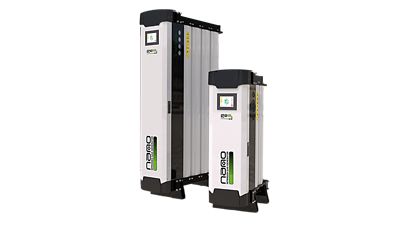
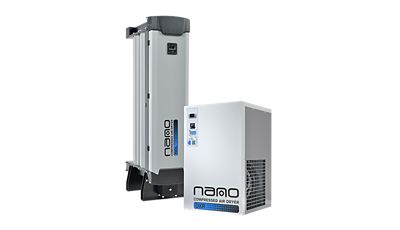
- nano Compressed Air Dryers control moisture and prevent microbial growth inside air lines, ensuring clean, dry air at every point of use.
- nano Nitrogen Generators deliver consistent, high‑purity nitrogen for MAP packaging and food preservation, eliminating the risks and variability of cylinder supply.
Together, these solutions help food manufacturers maintain compliance, protect product quality, and ensure safe, reliable air and gas performance throughout their facility. To learn how to protect your food production with cleaner, safer air and gas, explore our full range of nano filtration, drying, and nitrogen generation solutions.