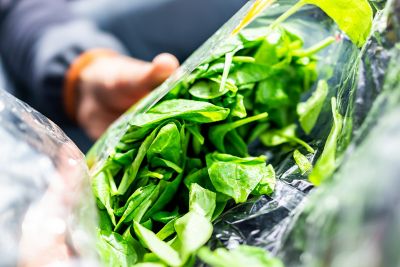
Nitrogen is one of the most widely used and essential gases in food and beverage manufacturing. Thanks to its inert, non‑reactive properties, nitrogen plays a critical role in protecting product quality, extending shelf life, and stabilizing sensitive production and packaging processes.
Oxygen is one of the primary drivers of food degradation. Exposure to oxygen can cause oxidation, spoilage, microbial growth, and loss of flavor, texture, and aroma. Nitrogen is used throughout food and beverage production to displace oxygen and create controlled, protective environments that safeguard product integrity.
When applied correctly, nitrogen helps manufacturers:
- Preserve freshness and overall product integrity
- Extend shelf life across a wide range of applications
- Improve packaging performance and headspace control
- Maintain consistent product quality from production through distribution
- Modified Atmosphere Packaging
- Tank Blanketing
- Purging Lines & Vessels
Modified Atmosphere Packaging (MAP) and the Critical Role of Nitrogen in Food & Beverage
Modified Atmosphere Packaging (MAP) has become one of the most important technologies in modern food and beverage production. As consumer demand grows for freshness, clean labels, and longer shelf life, MAP has shifted from a “nice‑to‑have” to a core requirement across nearly every category, from dairy and cheese to snacks, coffee, meat, produce, beverages, and ready‑to‑eat foods.
At the center of MAP’s effectiveness is nitrogen (N₂). While MAP can use multiple gases depending on the product, nitrogen is the backbone of the process because of its stability, inertness, and ability to displace oxygen without affecting flavor, texture, or aroma.
Why Nitrogen Is the Workhorse of MAP
Nitrogen is uniquely suited for food and beverage applications because it is:
- Inert – It does not react with food components, oils, proteins, or packaging materials.
- Dry and clean – When properly generated and treated, it prevents moisture, microbial growth, and contamination.
- Non‑oxidizing – It displaces oxygen, slowing or stopping the chemical reactions that cause spoilage.
- Abundant and cost‑effective – On‑site nitrogen generation eliminates the cost and logistics of delivered gas.
These characteristics make nitrogen the ideal protective atmosphere for extending shelf life and maintaining product quality across a wide range of food and beverage operations.
How Nitrogen Works in Modified Atmosphere Packaging (MAP)
1. OXYGEN DISPLACEMENT
Oxygen is the enemy of freshness. It drives oxidation, rancidity, discoloration, mold growth, and texture degradation. Nitrogen replaces oxygen inside the package, creating a stable, controlled environment that dramatically slows spoilage.
2. STRUCTURAL PROTECTION
For fragile foods, chips, snacks, baked goods, nitrogen provides the familiar “pillow pack” that prevents crushing and breakage during shipping and handling.
3. MOISTURE CONTROL
Nitrogen is dry by nature. In moisture‑sensitive products like powders, dairy ingredients, coffee, and dehydrated foods, nitrogen helps prevent clumping, caking, and microbial growth.
4. AROMA AND VOLATILE RETENTION
Products such as coffee, tea, spices, and premium snacks depend on volatile compounds for flavor. Nitrogen helps lock in aromatics by preventing oxidation and limiting exposure to ambient air.
5. CONSISTENT HEADSPACE MANAGEMENT
In beverages and liquid foods, nitrogen helps maintain headspace pressure, reduce dissolved oxygen, and support stable filling and packaging performance.
Tank How Nitrogen Makes It Work
Tank blanketing, also called inerting, padding, or headspace purging, is one of the most critical yet often overlooked applications of nitrogen in food and beverage production. At its core, tank blanketing is the process of maintaining a controlled, low‑oxygen atmosphere in the headspace of storage and processing vessels. But in practice, it’s far more strategic than simply “adding nitrogen to a tank.”
In industries where oxidation, microbial growth, and product degradation can cost millions, tank blanketing serves as a frontline defense for quality, safety, and shelf life. By reducing oxygen exposure, nitrogen helps preserve flavor, color, aroma, and nutrient stability, while also minimizing risks associated with foaming, contamination, and volatile product losses.
Why Tank Blanketing with Nitrogen Is Essential
1. OXIDATION PREVENTION
Oxygen is the enemy of freshness. It drives oxidation, rancidity, discoloration, mold growth, and texture degradation. Nitrogen replaces oxygen inside the tank or package, creating a stable, low‑oxygen environment that dramatically slows spoilage.
Oxygen is the primary driver of:
- Rancidity in edible oils
- Browning and flavor loss in juices
- Aroma degradation in coffee extracts
- Color changes in wine and spirits
- Nutrient loss in dairy and plant‑based beverages
By displacing oxygen with nitrogen, producers slow these reactions, preserving product integrity from the moment ingredients enter the tank.
2. MICROBIAL CONTROL
Many spoilage organisms require oxygen to grow. A nitrogen‑rich headspace creates an environment where aerobic microbes cannot thrive, reducing contamination risk and extending product stability across high‑risk applications.
3. MOISTURE CONTROL
Nitrogen is dry by nature. In moisture‑sensitive products, such as powders, dairy ingredients, coffee, and dehydrated foods, nitrogen helps prevent clumping, caking, and microbial growth, keeping ingredients free‑flowing and shelf‑stable.
4. FOAM AND OVER-PRESSURIZATION MANAGEMENT
During fermentation, mixing, or filling, tanks can foam or build internal pressure. Nitrogen blanketing maintains a stable, gentle pressure that:
- Prevents vacuum collapse
- Reduces foaming
- Protects tank structure
- Ensures consistent product flow
This results in smoother operation and fewer production interruptions.
5. MOISTURE AND CONTAMINANT PROTECTION
Ambient air carries:
- Moisture
- Dust
- Volatile contaminants
- Microbes
Nitrogen blanketing prevents ambient air from entering the tank, keeping the internal environment clean, dry, and controlled, and protecting sensitive products from contamination and quality drift.
How Nitrogen Blanketing Works
Step 1. PURGE
Before filling, nitrogen is used to purge oxygen from the tank headspace, creating a clean, low‑oxygen environment that prevents early oxidation and contamination.
Step 2. PRESSURE CONTROL
A blanketing valve maintains a slight positive nitrogen pressure, just enough to prevent air ingress without over‑pressurizing the vessel. This stabilizes the internal atmosphere and protects product quality.
Step 3. CONTINUOUS PROTECTION
As product is drawn from the tank, nitrogen automatically flows in to replace the displaced volume, keeping oxygen out at all times and maintaining consistent protection throughout storage and processing.
Step 4. MONITORING & SAFETY
Advanced tank‑blanketing systems integrate:
- Pressure sensors
- Flow controls
- Nitrogen purity monitoring
- Safety relief valves
These controls ensure consistent performance, oxygen‑free operation, and full compliance with food‑grade standards and plant safety requirements.
Where Tank Blanketing Is Used in Food & Beverage
- Edible Oils
Prevents oxidation and rancidity, critical for flavor, color, and shelf life. - Wine & Distilled Spirits
Protects against oxygen pickup during aging, blending, and storage. - Juices & Beverages
Maintains color, flavor, and nutrient stability. - Dairy & Plant-Based Products
Prevents oxidation of fats and proteins; protects powders from moisture. - Coffee Extracts & Concentrates
Preserves volatile aromatics and prevents staling. - Sauces, Dressings & Condiments
Protects emulsions and oil‑based formulations from breakdown. - Fermentation Tanks
Controls oxygen exposure and supports consistent fermentation profiles.
Why Nitrogen Is the Preferred Blanketing Gas
Nitrogen is:
Inert — does not react with food or packaging
Dry — prevents moisture‑related spoilage
Stable — maintains consistent pressure and purity
Safe — non‑flammable and non‑toxic
Cost‑effective — especially with on‑site generation
CO₂ is used in some applications, but nitrogen is the dominant choice because it avoids carbonation, flavor changes, and pH shifts.
Nitrogen Purging for Food & Beverage: Ensuring Clean, Oxygen‑Free Lines and Vessels
Purging lines and vessels with nitrogen is one of the most essential steps in maintaining product quality, safety, and processing consistency in modern food and beverage operations. Whether you’re producing dairy, beverages, snacks, coffee, edible oils, or ready‑to‑eat foods, nitrogen purging plays a critical role in preventing oxidation, contamination, and flavor degradation.
As more processors adopt Modified Atmosphere Packaging (MAP) and develop oxygen‑sensitive formulations, nitrogen purging has become a foundational best practice across the industry, protecting product integrity from the moment ingredients enter the line to the final package.
What Is Nitrogen Purging
Nitrogen purging is the process of using clean, dry nitrogen gas to remove oxygen, moisture, and airborne contaminants from critical equipment and product‑contact pathways, including:
- Processing lines
- Transfer piping
- Mixing vessels
- Storage tanks
- Fillers and packaging equipment
- Hoppers, silos, and ingredient handling systems
By replacing ambient air with an inert nitrogen atmosphere, producers create a controlled, low‑oxygen environment that protects product integrity, reduces contamination risk, and improves consistency at every stage of food and beverage production.
Why Nitrogen Purging Matters in Food & Beverage
1. OXYGEN REMOVAL
Oxygen is responsible for:
- Oxidation
- Rancidity
- Off‑flavors
- Color changes
- Nutrient loss
- Microbial growth
Nitrogen purging eliminates oxygen before product contact, ensuring that sensitive foods and beverages are never exposed to conditions that compromise freshness, flavor, or shelf life.
2. MOISTURE CONTROL
Ambient air carries humidity that can cause:
- Clumping in powders
- Microbial growth
- Texture degradation
- Reduced shelf life
Nitrogen is naturally dry, making it ideal for moisture‑sensitive applications such as dairy powders, coffee, tea, spices, and snack seasonings, where even small humidity changes can affect flowability and quality.
3. CONTAMINATION & PREVENTION
Purging lines and vessels with nitrogen helps prevent:
- Airborne contaminants
- Dust and particulates
- Residual cleaning chemicals
- Cross‑contamination between product runs
This level of control is critical for allergen‑managed environments and high‑hygiene facilities, where contamination risks directly impact safety and compliance.
4. IMPROVED PRODUCT CONSISTENCY
By ensuring each batch enters a clean, oxygen‑free system, nitrogen purging supports:
- Stable flavor profiles
- Consistent color and aroma
- Predictable shelf life
- Reduced variability between runs
The result is more reliable production, fewer reworks, and stronger brand consistency across every SKU.
How Nitrogen Purging Works
DISPLACEMENT PURGING
Displacement purging introduces nitrogen at one end of a line or vessel, pushing oxygen and contaminants out the other end. This method is ideal for long pipelines, large storage tanks, and systems where a fast, efficient oxygen removal process is required. The nitrogen “sweeps” the air out, creating a clean, controlled atmosphere for sensitive products.
DILUTION PURGING
Dilution purging mixes nitrogen with the existing air to gradually reduce oxygen concentration. Because it doesn’t rely on high pressure, this method is used when gentle pressure control is essential, such as in mixing vessels, delicate equipment, or systems sensitive to turbulence. It provides smooth, uniform oxygen reduction without stressing the vessel.
PRESSURE-VACUUM CYCLING
Pressure‑vacuum cycling involves pressurizing a vessel with nitrogen, venting it, and then re‑pressurizing until oxygen levels reach the desired threshold. This technique is common in high‑purity applications, high‑value ingredients, and environments where extremely low oxygen levels are required to protect product quality, flavor, or nutrient stability.
Where Nitrogen Purging is Used in Food & Beverage
DAIRY & CHEESE
- Purging pasteurization lines to reduce oxygen exposure and prevent quality drift
- Inerting cheese shredders and slicers to protect high‑fat surfaces from rapid oxidation
- Protecting milk powder handling systems with dry nitrogen to prevent clumping and moisture uptake
BEVERAGES
- Flushing bottling and canning lines to lower dissolved oxygen before filling
- Reducing DO/TPO levels for improved shelf life and flavor stability
- Purging transfer lines between tanks to maintain oxygen‑free movement of product
SNACK FOODS
- Purging fryers, seasoning drums, and packaging lines to limit oxidation during hot processing
- Protecting oil‑rich products, chips, extruded snacks, crackers, from rancidity
COFFEE & TEA
- Purging grinders, hoppers, and pod fillers to prevent aroma loss and staling
- Protecting roasted beans and ground coffee from oxygen exposure that accelerates flavor degradation
EDIBLE OILS
- Purging pipelines and storage vessels to prevent rancidity and maintain oxidative stability
SAUCES, DRESSINGS & CONDIMENTS
- Protecting emulsions and oil‑based formulations from breakdown, separation, and oxidation via controlled nitrogen environments
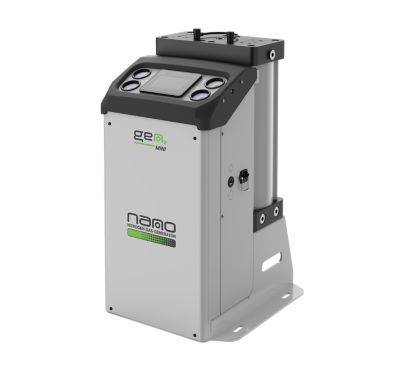
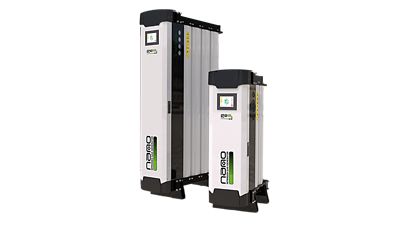
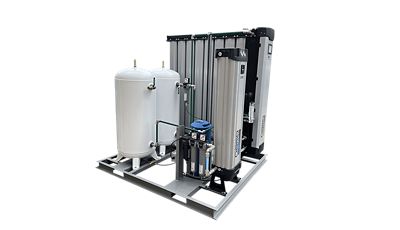
Why On‑Site Nitrogen Generation Is the Best Solution
For processors who rely on frequent nitrogen purging, delivered nitrogen can be expensive, inconsistent, and operationally limiting. On‑site nitrogen generation eliminates these challenges by providing:
- Unlimited nitrogen supply for continuous purging, inerting, and oxygen‑control applications
- Consistent purity tailored to food‑grade requirements and sensitive formulations
- Lower cost per cubic foot compared to cylinders or bulk deliveries
- No cylinder handling, storage issues, or delivery delays that interrupt production
- Seamless integration with MAP, tank blanketing, packaging lines, and transfer systems
Together, these advantages make on‑site nitrogen generation the most reliable and cost‑effective solution for supporting continuous purging operations across the food and beverage industry.


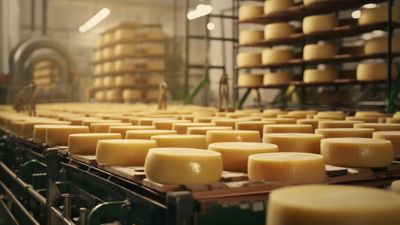


On‑site nitrogen generation has become a critical advantage for modern food and beverage processors. As production speeds increase, formulations become more oxygen‑sensitive, and freshness expectations rise, relying on delivered nitrogen creates unnecessary cost, risk, and operational constraints. Generating nitrogen in‑house provides a reliable, cost‑effective, and scalable supply that keeps pace with real‑world processing demands.
1. GUARANTEED SUPPLY FOR OXYGEN-SENSITIVE PROCESSES
Many core applications such as MAP, tank blanketing, purging, sparging, and headspace control, require a steady, uninterrupted supply of nitrogen. On‑site generation ensures nitrogen is always available, preventing downtime, lost batches, and inconsistent quality caused by delivery delays or empty cylinders.
2. CONSISTENT PURITY FOR FOOD-GRADE REQUIREMENTS
Food and beverage processors need nitrogen that meets strict purity, moisture, and contaminant thresholds. On‑site systems allow producers to set and maintain purity levels specific to each product, from dairy powders and edible oils to beverages, snacks, coffee, and ready‑to‑eat foods. This level of control is difficult to achieve with delivered gas.
3. LOWER TOTAL COST OF OWNERSHIP
Delivered nitrogen comes with hidden expenses:
- Cylinder rental and delivery fees
- Bulk storage losses
- Temperature‑related venting/waste
- Labor for cylinder changeouts
- Production interruptions
On‑site nitrogen generation lowers cost per cubic foot, reduces labor, eliminates logistics, and supports continuous operation, all while paying for itself quickly in high‑usage facilities.
4. IMPROVED QUALITY, SAFETY & SHELF LIFE
A stable nitrogen supply directly strengthens:
- Oxidation prevention
- Rancidity control
- Moisture protection
- Aroma and volatile retention
- Microbial control in aerobic environments
This leads to better product consistency, stronger shelf‑life protection, and fewer quality deviations across every SKU.
5. OPERATIONAL FLEXIBILITY & SCALABILITY
With on‑site generation, processors produce nitrogen exactly when they need it, at the purity they need, and at the flow rate required by production. This creates built‑in scalability, enabling plants to support:
- Line expansions
- New packaging formats
- MAP upgrades
- Increased production shifts
- Seasonal volume spikes
All without renegotiating delivered gas contracts or installing costly bulk tanks.
6. STRONGER SUSTAINABILITY & AUDIT PERFORMANCE
On‑site nitrogen reduces:
- Truck deliveries and emissions
- Cylinder waste
- Venting losses
- Energy usage (when integrated with optimized air systems)
It also supports customer‑driven quality programs by providing documentable control of nitrogen purity and availability.