Compressed air is everywhere in food manufacturing, cleaning, sorting, drying, conveying, packaging, and even direct food contact. Yet one of the most overlooked risks in these systems is moisture, and the key to understanding moisture risk is understanding dew point.
If compressed air is an ingredient in your process, and in many cases, it is, then dew point becomes a food safety parameter, not just an engineering metric.
What Is Dew Point?
Dew point is the temperature at which water vapour in the air condenses into liquid water. In compressed air systems, this matters because:
- When air is compressed, its ability to hold moisture decreases
- Moisture condenses inside pipes, tanks, and tools
- Condensed water can carry contaminants into food zones
A lower dew point means drier air, which is essential for hygienic operations.
Why Dew Point Matters in Food Processing
1. Moisture Creates a Breeding Group for Microbial Growth
Water is the enemy of food safety. If moisture enters a food zone through compressed air, it can:
- Support bacterial growth
- Cause mold formation
- Compromise shelf life
- Violate regulatory standards
Even a small amount of condensation can create a major hazard.
2. Moisture Carries Contaminants Into the Product Stream
Condensed water can pick up:
- Rust
- Oil aerosols
- Pipe scale
- Particulates
- Biofilm
Once moisture forms, it becomes a vehicle for contamination, directly contradicting the hygienic design principles required in food production.
3. Regulatory and Audit Requirements Expect Moisture Control
Food safety frameworks such as:
- SQF
- BRCGS
- FSSC 22000
- ISO 8573‑1 (compressed air quality standard)
All require or strongly recommend monitoring and controlling moisture in compressed air. A stable dew point is part of demonstrating due diligence.
How Dew Point Is Measured in Compressed Air
1. Pressure Dew Point (PDP)
This is the dew point at the system’s operating pressure, the measurement that actually matters for compressed air systems.
2. Atmospheric Dew Point
This is the dew point after the air is expanded back to atmospheric pressure. It’s useful for comparison but not for system control.
3. Typical Food-Grade Targets
While exact requirements vary, many food processors aim for:
- –40°C PDP for critical zones
- –20°C PDP for non‑contact utilities
These levels help ensure moisture cannot condense in the system.
How to Control Dew Point in Food Processing Facilities
Treating compressed air as a food ingredient isn’t just about compliance. It’s about protecting product integrity and consumer trust.
1. Use the Right Dryer Technology
Common options include:
- Refrigerated dryers (good for general use)
- Desiccant dryers (best for low dew point requirements)
2. Install Proper Filtration
Filters remove oil, particulates, and aerosols that moisture can carry.
3. Monitor Dew Point Continuously
Real-time dew point sensors help detect:
- Dryer failures
- Saturated desiccant
- Unexpected moisture spikes
3. Maintain the System
- Leaks
- Corrosion
- Water pooling
- Dryer inefficiency
What Happens When Dew Point Is Ignored?
- Product contamination
- Failed audits
- Recalls
- Equipment damage
- Increased energy costs
- Loss of consumer trust
In short: moisture is a small problem that becomes a big one very quickly.
Conclusion: Dew Point Is a Food Safety Parameter
Compressed air is not just a utility, it’s part of the food production environment, and often part of the food itself. That means dew point isn’t just an engineering metric; it’s a critical control point.
By understanding and controlling dew point, food processors can:
- Protect product quality
- Reduce contamination risks
- Improve equipment reliability
- Meet regulatory expectations
Dry air is safe air. And safe air protects your brand.
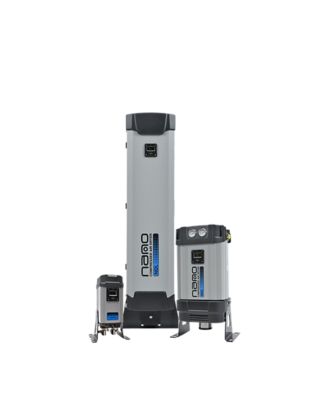
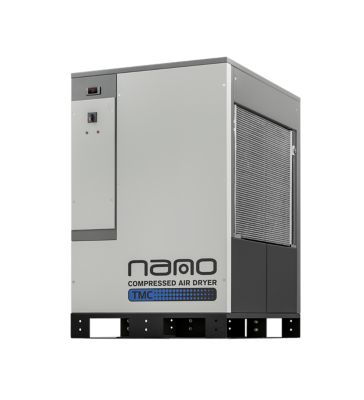
Explore Our Compressed Air Dryers Delivering Reliable Dew Points for Food‑Processing Environments
Our dryers remove moisture at every stage of your compressed air system, ensuring consistent performance, product safety, and compliance in demanding food‑processing environments.