Compressed air is one of the most widely used utilities in food manufacturing, yet it’s also one of the most overlooked sources of contamination and inefficiency. From powering pneumatic equipment to blowing off debris and even contacting food directly, compressed air plays a critical role in product quality and safety.
Unfortunately, many facilities make the same costly mistakes that lead to downtime, compliance issues, and even product recalls.
1. Assuming Compressed Air Is “Clean” Without Treatment
Why This Is a Problem
Many processors mistakenly believe compressed air is naturally clean. In reality, untreated compressed air often contains:
Oil aerosols
Water vapour
Microbial contamination
Rust, scale, and particulates
When this air contacts food or food‑contact surfaces, it becomes a direct contamination risk.
How to Fix It
Implement a validated air treatment system aligned with ISO 8573‑1 purity classes. Use multi‑stage filtration, drying, and continuous monitoring to ensure consistent air quality.
2. Relying Only on Central Filtration
Why This Is a Problem
Even with a high‑quality central filtration system, contamination can still enter the air stream through:
Pipe corrosion
Condensation
Maintenance activities
Equipment wear and tear
This is one of the most common mistakes in food plants.
How to Fix It
Install point‑of‑use filters at every critical control point. This ensures the air is clean at the exact moment it contacts food, packaging, or equipment.
3. Using Oil‑Lubricated Compressors in Food‑Contact Applications
Why This Is a Problem
Oil‑lubricated compressors introduce a major risk: oil contamination. Even with filtration, oil vapours can migrate into the air stream.
How to Fix It
Use oil‑free compressors for any application where compressed air may contact food or packaging. This reduces contamination risk and simplifies compliance with standards.
4. Not Testing or Monitoring Compressed Air Quality
Why This Is a Problem
Compressed air quality changes over time due to:
Filter degradation
Moisture buildup
Microbial growth
Seasonal humidity
System leaks
Without routine testing, you’re operating blind, and that’s a major food safety risk.
How to Fix It
Implement a compressed air testing program that includes:
Microbial testing
Particle analysis
Oil vapour testing
Dew point monitoring
Documented audit records
This strengthens your food safety plan and supports regulatory compliance.
5. Ignoring Leaks and System Inefficiencies
Why This Is a Problem
Compressed air leaks are one of the biggest hidden costs in food manufacturing. Many plants lose 20–30% of their compressed air to leaks, causing:
Higher energy costs
Pressure drops
Poor equipment performance
Packaging defects
How to Fix It
Conduct routine leak detection using ultrasonic tools and maintain a preventive maintenance schedule. Fixing leaks delivers immediate ROI.
Final Thoughts
Compressed air is essential in food manufacturing, but it’s also a hidden risk if not properly managed. By avoiding these five common mistakes, food processors can:
Improve product safety
Reduce contamination risks
Lower energy costs
Increase equipment reliability
Strengthen audit readiness
A clean, efficient compressed air system isn’t just good engineering, it’s a critical component of a strong food safety culture.
Compressed Air Treatment Solutions for Food Manufacturing
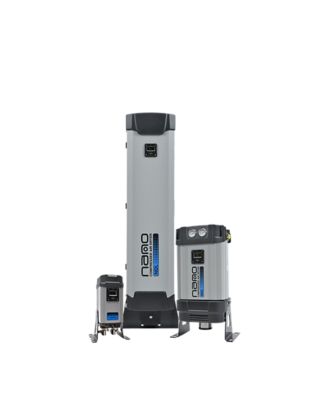
Our compressed air treatment solutions for food manufacturing deliver clean, dry, and safe air to protect product quality and maintain compliance. With high‑efficiency filtration, desiccant and refrigerated dryers, and point‑of‑use protection, we help facilities meet ISO 8573‑1 purity standards and prevent contamination from oil, moisture, and particulates. Together, our products create a cleaner, safer, and more efficient compressed air system for food processors.