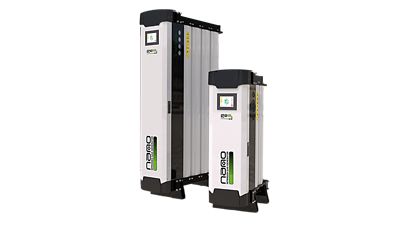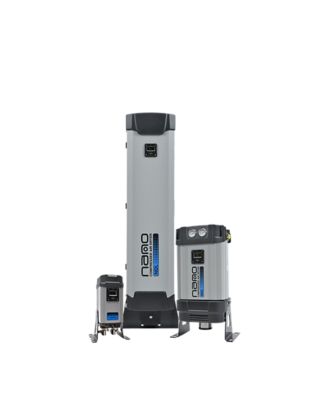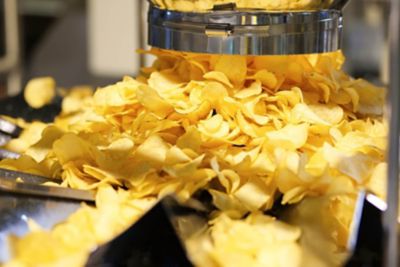
The snack food industry faces intense pressure to deliver consistent quality, maintain food safety, and operate with maximum efficiency, all while keeping up with rising production volumes and evolving consumer expectations. Because many snack production steps rely heavily on utilities, issues with compressed air quality or nitrogen supply can quickly disrupt operations and compromise product integrity.
One major challenge is ensuring clean, contaminant‑free compressed air, which powers everything from pneumatic conveying and packaging machinery to ingredient handling. Any moisture, oil, or particulates in the air stream can lead to product spoilage, equipment wear, or compliance risks. As plants automate and scale, the demand for high‑quality air treatment that meets strict purity standards continues to grow.
Another core issue is oxygen exposure in packaging. Snack foods are highly sensitive to oxidation, which directly impacts freshness, flavor, shelf life, and consumer satisfaction. With CO₂ costs rising and supply volatility increasing, more processors are turning to on‑site nitrogen generation for dependable, cost‑efficient MAP (modified atmosphere packaging). Having a stable, in‑house nitrogen supply helps reduce waste, protect product quality, and eliminate the risks associated with bulk gas delivery.
Together, these utility challenges highlight the need for optimized compressed air treatment and on‑site nitrogen generation solutions to help snack food manufacturers meet safety requirements, maintain product consistency, and operate more sustainably.
Choose Your Utility
- Nitrogen
- Compressed Air
Nitrogen plays a critical role in protecting snack foods from oxygen exposure during processing, conveying, storage, and packaging.
Because oxygen drives staling, rancidity, and texture loss, especially in fried or oil‑rich snacks, nitrogen is essential for maintaining freshness, preserving crunch, and extending shelf life.
KEY NITROGEN APPLICATIONS IN SNACK FOOD MANUFACTURING
- Modified Atmosphere Packaging (MAP)
Displaces oxygen in bags, pouches, and trays to maintain product freshness and extend shelf life without preservatives. - Nitrogen flushing on form‑fill‑seal packaging lines
Creates a low‑oxygen environment in chip bags, puffed snacks, baked snacks, and extruded products to preserve flavor and texture. - Cushioning & package stability
Prevents bag collapse in lightweight snack packaging, helping maintain product integrity during shipping and handling. - Protection against oxidation in fried and high‑fat snacks
Reduces oil breakdown, rancidity, and off‑flavors while protecting surface seasonings and coatings. - Nitrogen purging in seasoning drums and conveyors
Minimizes oxygen exposure in critical processing zones where hot or oily products are most vulnerable
WHY SNACK FOOD PRODUCERS CHOOSE ON-SITE NITROGEN GENERATION
- Consistent, on‑demand nitrogen purity tailored for MAP and flushing applications
- Reduced reliance on high‑cost cylinders or bulk deliveries, improving supply security
- Lower long‑term operating costs versus purchased nitrogen
- Better control over oxygen levels, freshness, shelf life, and packaging performance
- Improved sustainability by eliminating gas transport and reducing waste
Integrating on‑site nitrogen generation into snack food processing and packaging helps manufacturers safeguard freshness, prevent texture loss, and deliver the long shelf life consumers expect. Nitrogen generators provides a reliable, cost‑effective solution that protects product quality from production through distribution.
Factor |
Delivered Nitrogen |
On-Site Nitrogen Generation |
|---|---|---|
Supply reliability |
Vulnerable to delays |
Continous, on-demand |
| Cost
|
Recurring rental + delivery fees |
Lower long-term cost |
Safety |
High-pressure cylinders |
No cylinder handling |
Environmental impact |
Transport emissions |
Reduced footprint |
Nitrogen Resources for Snack Food Packagers
- Expert Insights
- Industry Brochures
Nitrogen Generation for Snack Food Manufacturing

Compressed air is essential throughout snack food production and often comes into direct or indirect contact with product zones, equipment, and packaging environments.
Clean, dry, food‑grade compressed air is critical for maintaining product quality, supporting hygienic processing, and keeping high‑speed snack lines operating efficiently.
KEY COMPRESSED AIR APPLICATIONS IN SNACK FOOD MANUFACTURING
- Packaging and form‑fill‑seal equipment
Powers bag makers, sealers, cutters, and automated machinery used for chips, puffs, crackers, nuts, and extruded snacks. - Pneumatic conveying of ingredients and finished product
Moves powders, seasonings, flours, grains, and snack pieces through blending, coating, and feeding systems without contamination. - Seasoning and coating systems
Provides controlled airflow for uniform seasoning application and prevents clumping or uneven coverage. - Controls, valves, and automation
Supports air‑operated valves, actuators, sensors, and robotics that drive modern, high‑speed snack food operations. - Blow‑off, air‑knife, and cleaning air
Removes debris, particulates, and moisture from packaging surfaces, conveyors, buckets, and product contact areas to maintain hygiene and improve seal integrity.
WHY AIR QUALITY MATTERS IN SNACK PRODUCTION
Without proper treatment, compressed air can introduce oil aerosols, moisture, particulates, and odors. leading to contamination risks, flavor defects, sanitation failures, and audit issues.
Clean, dry, food‑grade compressed air is essential for:
- Protecting snack food freshness, flavor, and texture
- Ensuring consistent package seals and appearance
- Supporting hygienic, compliant operations
- Reducing downtime on packaging and processing lines
- Meeting food safety requirements such as SQF and ISO 8573 air quality standards
Properly treated compressed air helps snack food producers safeguard product quality, maintain packaging performance, and support reliable, high‑volume production. Food‑grade compressed air is a foundational utility that keeps every stage of snack manufacturing running efficiently and safely.
Compressed Air Resources for Snack Food Producers


Benefits of Optimized Utility Systems for Snack Food Processing & Packaging
By optimizing their compressed air treatment and on‑site nitrogen generation systems, snack‑food producers can enhance production performance and maintain consistent product quality. Improvements in these utility systems help support MAP packaging, seasoning, conveying, and overall product handling, delivering benefits such as:
- More consistent, repeatable batches, with better control over texture, weight, and product uniformity
- Improved flavor protection and longer shelf life, thanks to cleaner air and stable nitrogen purity that reduce oxidation
- Lower delivered nitrogen and energy costs, with more efficient air treatment and on‑site nitrogen supply
- Higher uptime and equipment reliability, reducing moisture‑ and contamination‑related maintenance issues
- Production growth without sacrificing quality, as cleaner air and reliable nitrogen support higher volumes and stricter food‑safety standards