In oil and gas operations, compressed air isn’t just a utility, it’s a control medium for critical systems. When that air is contaminated by moisture, oil, or particulates, the consequences are significant: equipment malfunction, production downtime, safety incidents, and regulatory non-compliance.
To avoid these risks, facilities must meet internationally recognized air purity standards. ISO 8573 sets the benchmark, and compliance with its specifications is non-negotiable in high-stakes environments like offshore rigs, refineries, compressor stations, and LNG terminals.
At nano-purification solutions, we design compressed air systems that make ISO 8573 compliance straightforward, reliable, and efficient. This article explains what the standard means, why it matters in oil and gas, and how to achieve and maintain it.
What Is ISO 8573, and Why It Matters in Oil & Gas
ISO 8573-1 defines allowable levels of contaminants in compressed air, divided into three categories:
Solid Particulates (e.g., dust, scale)
Water (moisture) – measured in dew point
Oil (liquid, aerosol, and vapor)
Each class sets maximum thresholds based on application criticality. In the oil and gas industry, where pneumatic systems operate valves, actuators, analyzers, and safety mechanisms, air purity isn’t optional, it’s mission-critical.
Failing to meet the required ISO class can result in:
Premature valve and actuator failures
Signal loss in pneumatic controls
Corrosion in process equipment
Analyzer drift or shutdown
Safety system malfunction
Non-compliance with environmental, health, and safety standards
Understanding ISO 8573 Moisture Classes
Among the three contaminant types, moisture is one of the most critical in oil and gas applications. Dew point, the temperature at which moisture condenses—must be kept well below ambient and line temperatures to prevent condensation and freezing.
Moisture Class
|
Dew Point (°F)
|
Typical Application
|
1
|
≤ -100°F
|
Ultra-critical electronics, cryogenics
|
2
|
≤ -40°F
|
Instrument air in colder climates or offshore platforms
|
3
|
≤ 14°F
|
General industrial pneumatic applications
|
Class 2, equivalent to a -40°F dew point, is the standard for instrument air across most oil and gas operations. This level of dryness prevents:
Corrosion in control valves and actuators
Ice formation in cold climates
Water interference in analyzers and sensors
System shutdowns due to signal failures
How to Achieve ISO 8573 Compliance
1. Use the Right Dryer Technology
To meet ISO 8573 moisture Class 2 or better, desiccant dryers are essential. Unlike refrigerated dryers, which typically only deliver Class 4 or 5 air (dew point ~37°F to 45°F), desiccant dryers consistently achieve dew points of -40°F or lower.
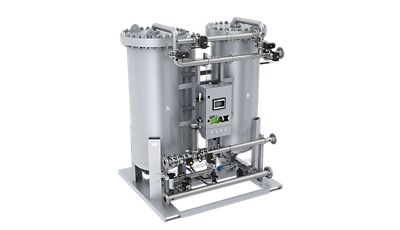
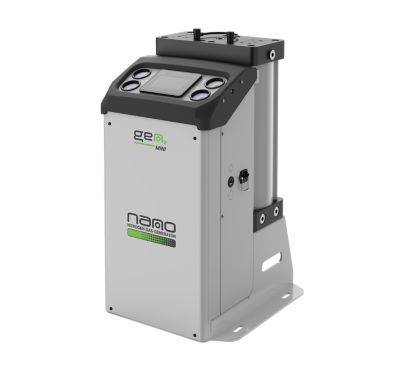
nano offers both heatless and modular desiccant dryers engineered for continuous performance in harsh oil and gas environments.
2. Include Proper Filtration
Drying alone is not enough. Achieving ISO 8573 compliance also requires:
Pre-filters to remove oil and particulates before air reaches the dryer
Coalescing filters to capture liquid and aerosol oil
Particulate filters after the dryer to protect downstream systems
nano-purification’s dryers are available with integrated multi-stage filtration designed for ISO 8573 Class 1.2.1 or better.
3. Monitor Performance Continuously
Compliance isn’t a one-time achievement, it’s an ongoing process. Real-time dew point monitoring and scheduled maintenance are critical. nano systems offer:
Dew point sensors with alarm integration
Remote monitoring capabilities
Service indicators for filter and desiccant replacement
nano Desiccant Dryers: Engineered for ISO Compliance
nano’s desiccant dryers are designed to support ISO 8573 compliance in every environment oil and gas operates in, from desert drilling rigs to offshore platforms. Key features include:
Consistent -40°F dew point performance
Compact, modular designs for space-constrained installations
Corrosion-resistant construction for offshore and coastal applications
Low purge air loss to reduce energy consumption
Whether you're specifying systems for a new plant or upgrading for compliance, nano provides solutions you can rely on.
Maintaining Compliance: Best Practices
Achieving ISO 8573 compliance is only part of the solution. Maintaining it requires:
Routine filter replacement to prevent bypass or pressure drop
Scheduled desiccant changes based on load and operating conditions
Periodic dew point validation with calibrated sensors
System audits to detect leaks or performance degradation
nano-purification solutions supports customers with service plans, technical training, and documentation to keep systems operating within spec over the long term.
The Cost of Non-Compliance
Running out-of-spec air may save short-term costs, but the long-term consequences are far more expensive:
Downtime from failed instrumentation
Equipment damage and corrosion
Safety risks in hazardous areas
Environmental fines and regulatory penalties
Lost production revenue during shutdowns
By contrast, ISO 8573-compliant systems powered by nano technology help reduce operational risk, extend equipment life, and safeguard performance in demanding applications.
Instrument air quality directly impacts operational integrity in oil and gas. ISO 8573 sets the global benchmark, and achieving Class 2 moisture performance is a standard requirement for safe, reliable, and efficient systems.
nano desiccant dryers and filtration systems are purpose-built to help your facility meet and maintain compliance with confidence. From modular designs to advanced monitoring, we deliver engineered solutions that meet the highest expectations.
Need to verify your air system’s compliance or upgrade to meet ISO standards?
Contact us today for a system evaluation.