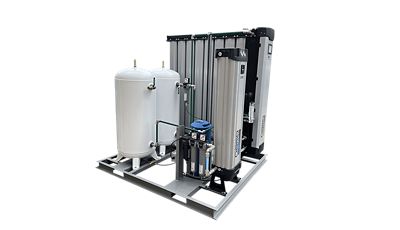
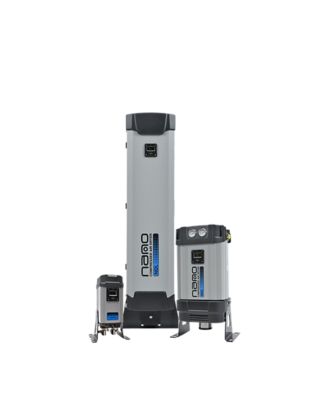
Coffee and tea producers face a complex set of production and utility challenges that directly impact aroma retention, flavor stability, yield, and operating costs.
Compressed air treatment is essential across roasting, grinding, extraction, and packaging areas, supplying clean, dry, oil‑free air to valves, actuators, pneumatic conveying, capsule and bagging lines, and air‑knife systems. Properly engineered filtration and drying prevent particulates, moisture, and oil carryover from entering product zones or packaging environments, protecting flavor, shelf life, and regulatory compliance. Aligning compressed air quality with ISO 8573 guidelines helps eliminate contamination risks before they reach critical process points.
Controlling oxygen exposure is equally important for protecting delicate coffee aromas and tea volatiles, especially during degassing, silo/hopper management, transfers, and final packaging. Many producers are reducing oxygen pickup by adopting on‑site nitrogen generation as a reliable, cost‑effective alternative to delivered gases. Nitrogen enables tank/silo blanketing, line purging, headspace flushing, and nitrogen‑flush MAP for whole bean, ground coffee, RTD beverages, instant coffee, and bagged or bottled teas, improving flavor stability, maintaining freshness and crunch/leaf integrity, and extending shelf life while reducing dependence on volatile gas supply chains.
Meanwhile, operational efficiency and sustainability pressures continue to rise. Energy costs, gas supply variability, and heightened scrutiny on waste and quality losses are pushing coffee and tea manufacturers to adopt smarter utility management. Integrated compressed air treatment and on‑site nitrogen solutions help reduce product giveaway, enhance packaging consistency, and support continuous, compliant production, without compromising the sensory profile that defines premium coffee and tea.
Choose Your Utility
- Nitrogen
- Compressed Air
Nitrogen plays a critical role in protecting coffee from oxygen exposure throughout post‑roast handling and packaging.
KEY NITROGEN APPLICATIONS IN COFFEE PROCESSING
- Oxygen displacement during grinding and filling
Prevents oxidation at one of the most vulnerable stages of coffee production. - Nitrogen flushing of coffee packaging
Creates an oxygen‑free environment in bags, pods, capsules, and RTD containers. - Aroma preservation in whole bean and ground coffee
Protects delicate aromatics and volatiles that define coffee quality. - Nitro‑infused coffee beverages
Enables smooth, creamy texture and stable shelf life for specialty drinks.
By displacing oxygen, nitrogen slows oxidative reactions that cause staling and aroma degradation, preserving the flavor profile intended by the roaster.
WHY COFFEE PRODUCERS CHOOSE ON-SITE NITROGEN GENERATION
- Consistent, on‑demand nitrogen purity tailored to product and packaging requirements
- Reduced reliance on cylinders or bulk deliveries, eliminating supply interruptions
- Lower long‑term operating costs compared to purchased nitrogen
- Improved supply reliability and sustainability with a secure, energy‑efficient nitrogen source
By integrating on‑site nitrogen throughout coffee processing, producers can better protect aroma, extend shelf life, and deliver a consistently fresher cup. It’s a reliable, cost‑effective solution that strengthens quality from roast to retail.
Nitrogen Resources for Coffee & Tea Industry
- Expert Insights
- Industry Brochures


Nitrogen Generation for Coffee & Tea Producers

Compressed air is essential across coffee and tea production and often comes into direct or indirect contact with product surfaces, processing equipment, and packaging environments.
KEY COMPRESSED AIR APPLICATIONS IN COFFEE & TEA MANUFACTURING
- Packaging and filling lines
Powers form‑fill‑seal equipment, capsule systems, baggers, and automated packing machinery. - Pneumatic conveying of beans, grounds, tea leaves, and blends
Moves raw materials safely and efficiently through roasting, grinding, blending, and packing areas. - Equipment controls and automation
Supports valves, actuators, sensors, and robotics used in modern coffee and tea processing. - Blow‑off and cleaning air
Removes dust, debris, and particulates from packaging surfaces and product zones.
Without proper filtration and compressed air dryers, compressed air can introduce oil, moisture, particulates, and odors into the process, contaminating product, affecting aroma and flavor, and creating quality and audit compliance risks.
Clean, dry, food‑grade compressed air is essential for protecting product quality, maintaining aroma integrity, and ensuring consistent, reliable packaging performance.
Compressed Air Resources for Coffee & Tea Producers


Benefits of Optimized Utility Systems for Coffee & Tea Producers
By optimizing on‑site nitrogen generation and improving compressed air quality, coffee and tea producers can strengthen product integrity, support efficient packaging, and protect the delicate characteristics that define premium beverages. These improvements directly enhance roasting, grinding, blending, filling, and MAP packaging operations, delivering benefits such as:
- Preserved aroma and flavor integrity, helping maintain the volatile compounds that give roasted coffee and tea their distinctive profiles
- Extended shelf life for roasted beans, ground coffee, loose‑leaf tea, and packaged tea bags through reduced oxygen exposure and improved purity
- More consistent batch‑to‑batch quality, supporting predictable roasting and blending outcomes across production lines
- Lower delivered nitrogen costs and improved energy efficiency, reducing total utility spend and supply‑chain risk
- Greater reliability for craft, specialty, and high‑volume operations, ensuring stable performance during peak production and seasonal demand