Why Dry, Clean Compressed Air Is Critical in Food Production
Moisture is one of the most damaging contaminants in a compressed air system, especially in food and beverage manufacturing. Excess water vapor leads to microbial growth, corrosion, product contamination, and equipment failure. That’s why choosing the right compressed air dryer is essential for maintaining product quality, meeting regulatory standards, and protecting your production line.
But with multiple dryer technologies available, how do you know which one is right for your plant?
This guide breaks down the key factors, dryer types, and selection criteria to help you make the best choice for your application.
Understanding the Role of Air Dryers in Food Manufacturing
Compressed air dryers remove moisture from the air stream to achieve a specific dew point, ensuring the air is dry enough for your process. In food manufacturing, this is essential for:
- Preventing microbial contamination
- Protecting pneumatic equipment
- Ensuring consistent product quality
- Meeting ISO 8573 and food safety standards
- Reducing corrosion and system failures
The right dryer ensures your air is clean, dry, and safe for direct and indirect food contact applications.
Types of Compressed Air Dryers Used in Food Manufacturing
Refrigerated Air Dryers
Best for: General plant air, packaging, blow-off, and non‑critical applications.
Refrigerated dryers cool the air to condense moisture, achieving dew points around 35 to 50°F. They are energy‑efficient and cost‑effective but not suitable for sensitive or direct‑contact food applications.
Pros:
- Low operating cost
- Simple maintenace
- Ideal for non-critical air
Cons:
- Dew point no low enough for food-contact or sterile environments
Desiccant (Adsorption) Dryers
Best for: Food-contact air, pneumatic conveying, mixing, aeration, and high‑purity applications.
Desiccant dryers use adsorption media to achieve extremely low dew points, down to –40°F or –94°F. This makes them ideal for preventing microbial growth and moisture‑related contamination.
Pros:
- Utra-dry air
- Meets strict food safety requirements
- Essential for sterile and hygienic zones
Cons:
- Higher energy use (unless using heatless or energy-optimized models)
How to Choose the Right Dryer for Your Food Manufacturing Application
Selecting the right dryer depends on your process requirements, air quality needs, and regulatory obligations. Here are the key factors to evaluate:
1. Determine Your Required Dew Point
Different applications require different dryness levels:
Application |
Recommended Dew Point |
|---|---|
General plant air |
35 to 50°F |
Packaging & blow-off |
35 to 50°F |
Pneumatic conveying |
–40°F |
Direct food contact |
–40°F or lower |
| Sterile zones | –40°F to –100°F |
If microbial control is a concern, a desiccant dryer is typically required.
2. Evaluate Air Quality Standards (ISO 8573)
Food and beverage plants often target:
- ISO 8573-1 Class 2 or 1 for moisture
- ISO 8573.1 Class 1 or 2 for particulates
- ISO 8573-1 for oil
Your dryer must support the moisture class required for your process.
3. Consider Your Environment and Operating Conditions
Key questions include:
- FreIs the dryer exposed to high humidity
- Are there temperature swings
- Is the air in hygienic or sterile zones
- Do you need redundancy for critical processes
Environmental conditions directly impact dryer performance.
4. Look at Total Cost of Ownership (TCO)
The cheapest dryer upfront is rarely the cheapest long‑term.
Consider:
- Energy consumption
- Pressure drop
- Maintenance intervals
- Desiccant replacement
- Expected lifespan
A high‑efficiency dryer often pays for itself through lower energy use and reduced downtime.
5. Match the Dryer to Your Filtration Strategy
Dryers and filters must work together.
For food manufacturing, this often includes:
- Coalescing filters before the dryer
- Particlate filters after the dryer
- Sterile membrane filters for food-contact air
- Culinary steam for steam applications
A dryer alone cannot guarantee clean, safe air, proper filtration is essential.
Common Mistakes to Avoid When Selecting a Dryer
- Choosing a refrigerated dyer for food-contact applications
- Ignoring dew point requirements
- Undersizing the dryer for peak demand
- Forgetting about pressure drop
- Not pairing the dryer with proper filtration
- Overlooking maintenace and lifecycle costs
The Bottom Line: The Right Dryer Protects Your Product and Your Brand
Moisture is one of the most dangerous contaminants in a food manufacturing compressed air system. Selecting the right dryer is essential for:
- Product quality
- Food safety compliance
- Equipment protection
- Energy efficiency
- Long-term reliability
A properly selected and maintained dryer ensures your compressed air is clean, dry, and safe, every time.
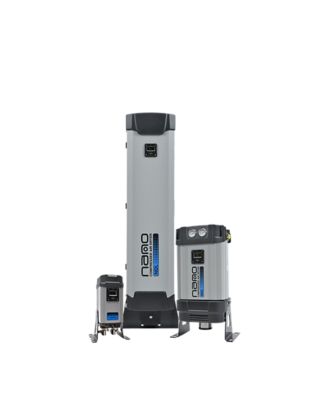
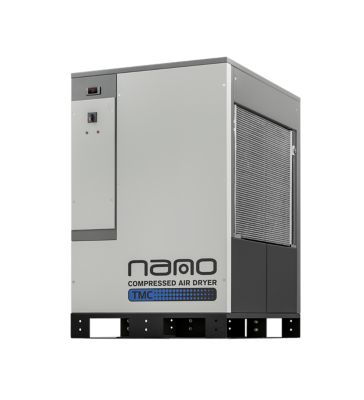
nano Compressed Air Drying Solutions That Meet Food & Beverage Air Quality Demands
Explore our refrigerated and desiccant dryers designed to protect product integrity, reduce moisture risks, and support strict air quality standards.