Dairy processors operate in an environment where product quality, food safety, and regulatory compliance depend heavily on the performance of their utility systems. From compressed air to nitrogen, each plays a critical role in maintaining consistent production and protecting the integrity of dairy products.
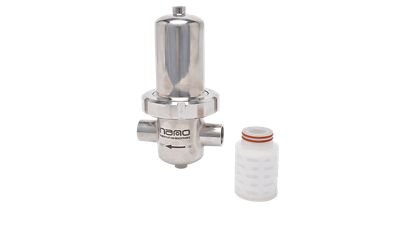
Clean, dry, oil‑free compressed air supports hygienic operations, packaging systems, automation, and other essential processes. Properly engineered compressed air treatment, aligned with ISO 8573 air quality standards, helps prevent particulates, moisture, and oil contamination from reaching sensitive points in the production line.
Managing oxygen exposure is equally important for preventing oxidation and spoilage. Many dairy plants now rely on on‑site nitrogen generation as a secure, cost‑effective solution for reducing oxygen pickup. Nitrogen enables effective tank blanketing, headspace flushing, and oxygen‑controlled transfers that help extend shelf life and support product stability across milk, cheese, yogurt, dairy powders, and cultured products.
With rising energy costs and tightening regulatory expectations, processors are prioritizing more efficient utility systems. Integrated compressed air and nitrogen solutions help reduce operational risk, improve resource efficiency, and maintain the high standards expected in today’s dairy industry.
Choose Your Utility
- Nitrogen
- Compressed Air
Nitrogen plays a vital role in protecting dairy foods from oxygen exposure throughout processing, storage, and packaging.
By reducing oxygen contact, nitrogen helps maintain freshness, stabilize flavor, prevent oxidation, and extend shelf life across a wide range of dairy products.
KEY NITROGEN APPLICATIONS IN DAIRY FOOD PROCESSING
- Oxygen displacement in mixing, blending, and transfer operations
Minimizes oxidation and protects sensitive ingredients such as milk fats, cultures, and flavors. - Nitrogen flushing for dairy packaging
Creates a low‑oxygen environment in tubs, pouches, cartons, bottles, MAP trays, and flexible packaging to maintain freshness and stability. - Protection of cultured and fermented dairy products
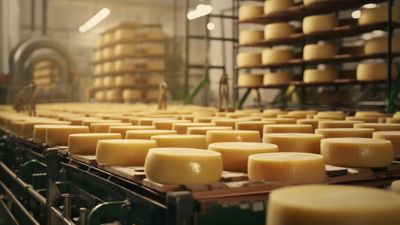
Supports consistent fermentation, reduces spoilage risk, and maintains product texture in yogurt, sour cream, kefir, and other cultured items. - Nitrogen use in cheese, dairy powders, and high‑fat products
Stabilizes shredded, sliced, and processed cheese; reduces oxidation in butter and spreads; and preserves nutritional quality in milk powders and whey products. - Headspace control during bottling and filling
Reduces dissolved oxygen in fluid milk, cream, plant‑dairy blends, and ready‑to‑drink beverages to improve flavor and extend shelf life.
WHY DAIRY PRODUCERS CHOOSE ON-SITE NITROGEN GENERATION
- Consistent, on‑demand nitrogen purity tailored to specific dairy applications
- Reduced reliance on cylinders or bulk deliveries, eliminating supply disruptions
- Lower long‑term operating costs compared to purchased nitrogen
- Improved reliability, sustainability, and operational control across packaging and processing lines
By integrating on‑site nitrogen across dairy processing and packaging, producers can better protect freshness, extend shelf life, and maintain the flavor, texture, and quality consumers expect from milk, cheese, yogurt, ice cream, and other dairy foods. It’s a reliable, cost‑effective solution that strengthens product integrity from production to distribution.
Factor |
Delivered Nitrogen |
On-Site Nitrogen Generation |
|---|---|---|
Supply reliability |
Vulnerable to delays |
Continous, on-demand |
| Cost
|
Recurring rental + delivery fees |
Lower long-term cost |
Safety |
High-pressure cylinders |
No cylinder handling |
Environmental impact |
Transport emissions |
Reduced footprint |
Nitrogen Resources for Dairy Food Production

Compressed air is essential across dairy food production and often comes into direct or indirect contact with product surfaces, equipment, and packaging environments.
A clean, reliable compressed air system is critical for protecting product quality, supporting hygienic processing, and meeting strict dairy safety standards.
KEY COMPRESSED AIR APPLICATIONS IN DAIRY PROCESSING
- Packaging, filling, and sealing lines
Powers high‑speed filling and sealing systems for milk, yogurt, cheese snacks, spreads, ice cream, cultured products, and RTD beverages. - Pneumatic conveying of dairy powders and ingredients
Safely moves milk powders, whey protein, cultures, lactose, and dry blends without contamination. - Equipment controls and automation
Provides clean air to valves, actuators, sensors, CIP skids, and robotic systems essential to modern dairy operations. - Cheese, yogurt, and cultured product systems
Supplies sanitary air for membranes, separators, air‑operated valves, fermentation controls, and other critical processing equipment. - Blow‑off, drying, and cleaning air
Removes moisture and debris from packaging surfaces, tubs, bottles, pouches, lids, and labeling areas to maintain hygiene and integrity.
WHY COMPRESSED AIR QUALITY MATTERS IN DAIRY PRODUCTION
Without proper treatment, compressed air can introduce moisture, oil aerosols, particulates, and odors into dairy processes, leading to contamination risk, flavor defects, microbial issues, and audit or regulatory failures.
Clean, dry, food‑grade compressed air is essential for:
- Maintaining product safety and hygiene
- Protecting flavor, aroma, and freshness
- Ensuring consistent packaging performance
- Meeting regulatory and audit requirements (HACCP, FSMA, ISO 22000, and Grade “A” standards)
Properly engineered compressed air treatment helps dairy producers protect product integrity, extend shelf life, and operate with greater reliability and compliance. Clean, food‑grade air is a foundational utility that supports every stage of dairy food processing, from raw ingredients to final packaging.
Compressed Air Resources for Dairy Food Production


Benefits of Optimized Utility Systems for Dairy Food Producers
By optimizing compressed air quality and on‑site nitrogen supply, nano helps dairy processors strengthen product quality, safety, and operational efficiency across every stage of production. These improvements support mixing, blending, filling, packaging, and cold‑chain environments, delivering measurable benefits such as:
- Stronger food‑safety performance and easier regulatory compliance, meeting industry standards and customer audit expectations
- Extended shelf life for products including shredded cheese, processed cheese, cultured dairy, and ready‑to‑eat items
- Reduced microbial growth, oxidation, and clumping, protecting flavor, texture, and product integrity
- More consistent batches and uniform SKUs, improving line efficiency and reducing rework across high‑volume production lines
- Lower delivered nitrogen costs and reduced energy consumption, thanks to high‑efficiency air treatment and on‑site nitrogen generation
- Scalable production capacity with lower operational risk, supporting plant expansion without compromising food‑grade compliance