Wine is one of the most sensitive products in the food and beverage industry, and every stage of production, from crush and fermentation to aging, racking, filtration, and bottling, is highly vulnerable to oxygen exposure, temperature fluctuations, and contamination. Even small variations in dissolved oxygen, air quality, or cooling stability can permanently affect a wine’s aroma, color, structure, and shelf life.
Because of this, wineries face several utility‑driven challenges that directly impact wine quality and consistency. Managing oxygen pickup during transfers and bottling requires reliable, high‑purity nitrogen for tank blanketing, bottling support, sparging, and headspace management. Protecting pumps, valves, and automated equipment depends on clean, oil‑free compressed air, especially in pneumatic systems that interact with filtration, clarification, and packaging processes. At the same time, maintaining precise fermentation and storage temperatures demands dependable process cooling, as even minor deviations can alter fermentation kinetics and final flavor balance.
When nitrogen purity fluctuates, compressed air quality is compromised, or cooling systems are unstable, wineries experience increased oxidation, inconsistent fermentation, premature aging, and reduced product stability. These utility challenges make it harder for producers to preserve delicate aromatic compounds, maintain true varietal character, and achieve reliable quality from barrel to bottle.
Choose Your Utility
- Nitrogen
- Compressed Air
- Process Cooling
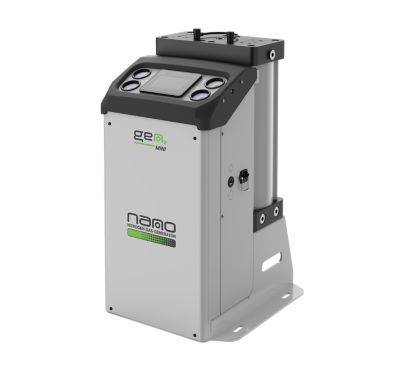
Nitrogen plays a critical role in protecting wine quality by minimizing oxygen exposure during production, storage, transfers, and packaging.
Excess oxygen drives oxidation, color shifts, aroma loss, and premature aging. Nitrogen helps winemakers preserve varietal character, maintain freshness, and improve shelf stability from cellar to final fill.
KEY NITROGEN APPLICATIONS IN WINE PRODUCTION & PACKAGING
- Tank Blanketing
Creates an inert layer over must and wine in storage, conditioning, and blending tanks to prevent oxygen ingress and protect aroma, color, and phenolic stability. - Line Purging & Oxygen‑Free Transfers
Displaces oxygen in hoses, manifolds, and filters before movement between tanks and to the filler, reducing dissolved oxygen (DO) pickup at critical touchpoints. - Sparging & Headspace Management
Lowers dissolved oxygen in musts, wines, and blending streams and controls headspace O₂ during racking, filtration, and finishing. - Inerting During Filtration & Fining
Protects sensitive wines during crossflow/DE filtration and fining steps where surface exposure can accelerate oxidation. - Packaging & Bottling Operations
Supports pre‑evacuation and headspace flushing on fillers, inerting of corker/capper turrets, and purge of bottles, cans, and bag‑in‑box to achieve low total package oxygen (TPO). - Barrel & Vessel Management
Inerts barrels, totes, and IBCs prior to fills or topping, minimizing oxidative stress during maturation and handling.
WHY WINERIES CHOOSE ON-SITE NITROGEN GENERATION
- Consistent, on‑demand nitrogen purity tailored for blanketing, sparging, and packaging
- Reduced reliance on delivered gas (cylinders or bulk), improving supply security and cost predictability
- Lower total operating costs versus purchased nitrogen, especially during harvest and bottling peaks
- Better control of dissolved oxygen (DO/TPO) to protect flavor, color, and longevity
- Improved sustainability by eliminating trucked gas and reducing waste from empties
By integrating on‑site nitrogen generators across cellar operations and packaging, wineries can control oxygen exposure, stabilize aroma and color, and extend shelf life, without the cost and uncertainty of delivered gas. Nitrogen generators are reliable, cost‑effective tool that safeguards wine quality from fermentation through final packaging.
Nitrogen Resources for Wineries
- Expert Insights
- Industry Brochures

Nitrogen Generation for Wineries

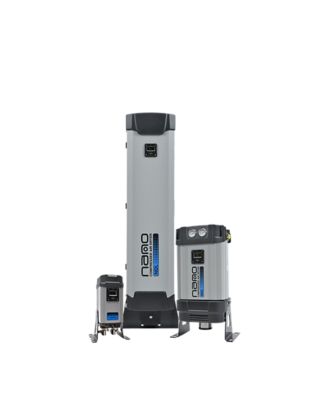
Compressed air is essential throughout winery operations and often comes into direct or indirect contact with product zones, equipment, and packaging environments.
Clean, dry, oil‑free compressed air supports consistent wine quality, reliable automation, and hygienic production across the cellar and bottling line.
KEY COMPRESSED AIR APPLICATIONS IN WINERY PRODUCTION & PACKAGING
- Cellar Automation & Process Controls
Powers air‑operated valves, actuators, and control devices used for racking, transfers, blending, filtration changes, and CIP valve actuation - Packaging & Bottling Lines
Supports bottle/can conveyance, fillers, corkers/cappers, capsule application, labelers, case packers, and palletizers, where stable pressure and clean air are crucial.
Instrument Air for Sensors & QA
Provides reliable, contaminant‑free air to pressure switches, flow meters, level sensors, and other instrumentation that govern consistent line performance. - Air‑Knife, Blow‑Off & Drying
Removes moisture and debris from bottles, cans, and closures ahead of coding, labeling, and case packing to protect package integrity and appearance. - General Utility & House Air
Drives pneumatic tools, actuators on small skids, and maintenance tasks, benefiting from the same food‑grade air standards to avoid cross‑contamination.
WHY AIR QUALITY MATTERS IN WINERIES
Without proper treatment, compressed air can introduce oil aerosols, moisture, particulates, and odors into critical steps, leading to contamination risk, label/coder issues, filler faults, and potential QA or audit failures.
Clean, dry, food‑grade compressed air is essential for:
- Protecting aroma, flavor, and product integrity
- Ensuring consistent filler and corker/capper performance
- Supporting hygienic operations and reducing QA deviations
- Meeting food safety and audit requirements (e.g., HACCP, FSMA principles, ISO 8573 air quality targets for contact and non‑contact air)
- Reducing downtime and maintenance caused by wet or oily air in valves, cylinders, and air‑knives
BEST-PRACTICE COMPRESSED AIR TREATMENT FOR WINERIES
- Compressed Air Filtration Staging: Coalescing prefilters (oil/water aerosols), particulate filters (solids), and final sterile‑grade or point‑of‑use filters where air may contact product zones or packaging interiors.
- Compressed Air Drying & Dew Point Control: Refrigerated or desiccant dryers sized for line flow and seasonal humidity; monitor pressure dew point to prevent condensation in lines and at the point of use.
- Oil‑Free Strategy: Either oil‑free compressors or robust oil‑removal + carbon filtration to protect aroma‑sensitive products and packaging environments.
- Air Quality Monitoring: Routine differential‑pressure checks, dew point and oil carryover monitoring, documented filter changeouts, and validation against ISO 8573 classes appropriate to use case.
- Distribution Design: Stainless drops or lined aluminum piping, adequate drainage, point‑of‑use filtration, and pressure/flow control to stabilize critical equipment.
Properly engineered compressed air systems help wineries safeguard product quality, stabilize bottling performance, and support hygienic, compliant operations. Food‑grade, contaminant‑free compressed air is a foundational utility that keeps winery processes reliable, from cellar automation to final packaging.
Compressed Air Resources for Wineries


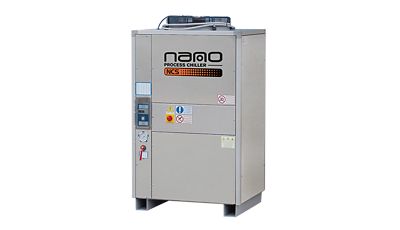
Process cooling is essential to winery quality, stabilizing fermentation, enabling reliable cold‑side operations, and delivering dependable process and equipment cooling.
Tight, repeatable temperature control protects aroma, color, and mouthfeel while supporting efficient cellar and packaging workflows.
Key Process Cooling Applications in Winery Operations
- Fermentation Temperature Control
Supplies precise glycol setpoints to jacketed fermenters to manage yeast activity, retain varietal aromas, and achieve consistent fermentation kinetics across lots and vintages. - Cold Soak, Cold Stabilization & Tartrate Control
Provides steady low temperatures for pre‑fermentation cold soaks, potassium bitartrate stabilization, and protein/tartrate precipitation, reducing haze risk and improving clarity. - Crash Cooling & Storage
Delivers fast, uniform pull‑downs for post‑fermentation clarifying, lees settlement, and stable storage prior to racking, blending, filtration, or bottling. - Packaging Hall Support
Maintains temperature targets for filtration skids, membrane systems, and filler environments to protect dissolved oxygen (DO) levels and packaging consistency. - Process & Equipment Cooling
Services heat exchangers, small utility skids, and auxiliary loads in the cellar and bottling hall to keep operations reliable during peak demand.
Why Process Chiller Performance Matters in Wineries
Insufficient chilling capacity or poor control can lead to stuck/slow fermentations, aroma loss, color instability, extended tank cycles, and production bottlenecks. A properly engineered process chiller helps you:
- Protect flavor and aroma with accurate fermentation profiles and gentle, controlled cooling
- Improve product stability via consistent cold soaks and cold stabilization outcomes
- Increase throughput by shortening crash times and enabling predictable tank turns
- Reduce quality risks tied to temperature drift, variable DO, or filtration inconsistencies
- Control operating costs with efficient compressors, optimized setpoints, and right‑sized glycol loops
A well‑designed process chiller and glycol system is foundational to winery quality and efficiency, enabling precise fermentation control, dependable cold stabilization, and reliable process/equipment cooling. The result: better flavor retention, stable color, faster tank turns, fewer quality risks, and more predictable, cost‑efficient operations from the cellar to final packaging.
Benefits of Optimized Utility Systems for Wineries
By optimizing your nitrogen generator, compressed air treatment equipment, and process chiller, wineries can strengthen quality control and improve operational reliability across every stage of production. These upgraded utility systems support more stable fermentation, cleaner cellar operations, and more consistent bottling performance, helping winemakers protect product integrity from grape intake to final packaging. With properly managed utilities, wineries can achieve:
- Stronger protection of aroma, color, and long‑term flavor stability, preserving the delicate volatile compounds and varietal characteristics that define premium wines
- Reduced oxygen exposure during critical stages, including crushing, fermentation, racking, aging, filtration, and bottling, to minimize oxidation, browning, and premature aging
- More consistent fermentation and improved process control, supported by cleaner pneumatic air, stable cooling temperatures, and reliable nitrogen blanketing
- Lower delivered nitrogen expenses and reduced energy consumption, thanks to high‑efficiency on‑site nitrogen generation and optimized air treatment performance
- Scalable, reliable production capacity, allowing wineries to increase throughput or expand product lines without compromising quality, stability, or food‑safety compliance